

Choosing a heavy-duty truck clutch supplier is a technical and commercial decision. A low unit price does not compensate for unclear product references, incomplete fitment information, unstable repeat quality, weak packaging or slow after-sales communication.
For aftermarket distribution, private-label, OEM and ODM programs, the buyer should evaluate the supplier’s product data, application-matching process, manufacturing capability, quality evidence, packaging and ability to support repeat orders.

1. Check whether the supplier understands the product
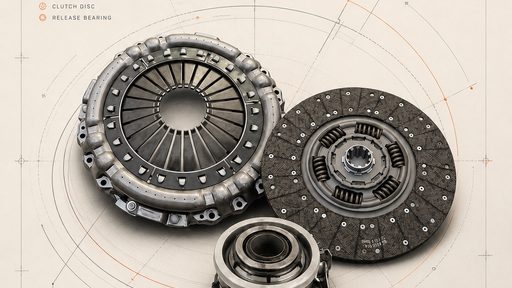
A capable clutch supplier should be able to distinguish a clutch disc, pressure plate, release component and complete clutch kit. Product records should include the information needed to compare the part: OE or cross-reference, component type, diameter, spline, hub profile, mounting details and application family.
Ask whether the supplier can start from:
- OE or manufacturer reference
- Vehicle, engine and transmission
- Clutch diameter and spline
- Clear front, back and side photographs
- Sample, drawing or existing product
A supplier that asks for the complete reference and physical profile is more likely to understand fitment risk than one that confirms compatibility from a vehicle brand or diameter alone.
2. Evaluate the application-matching process
Ask how the supplier handles an uncertain or incomplete request. A useful process should record the reference, compare dimensions and photographs, verify the vehicle and transmission, and identify what still needs confirmation.
The OE-number guide and measurement guide show the type of information that supports a reliable match.
3. Review manufacturing capability
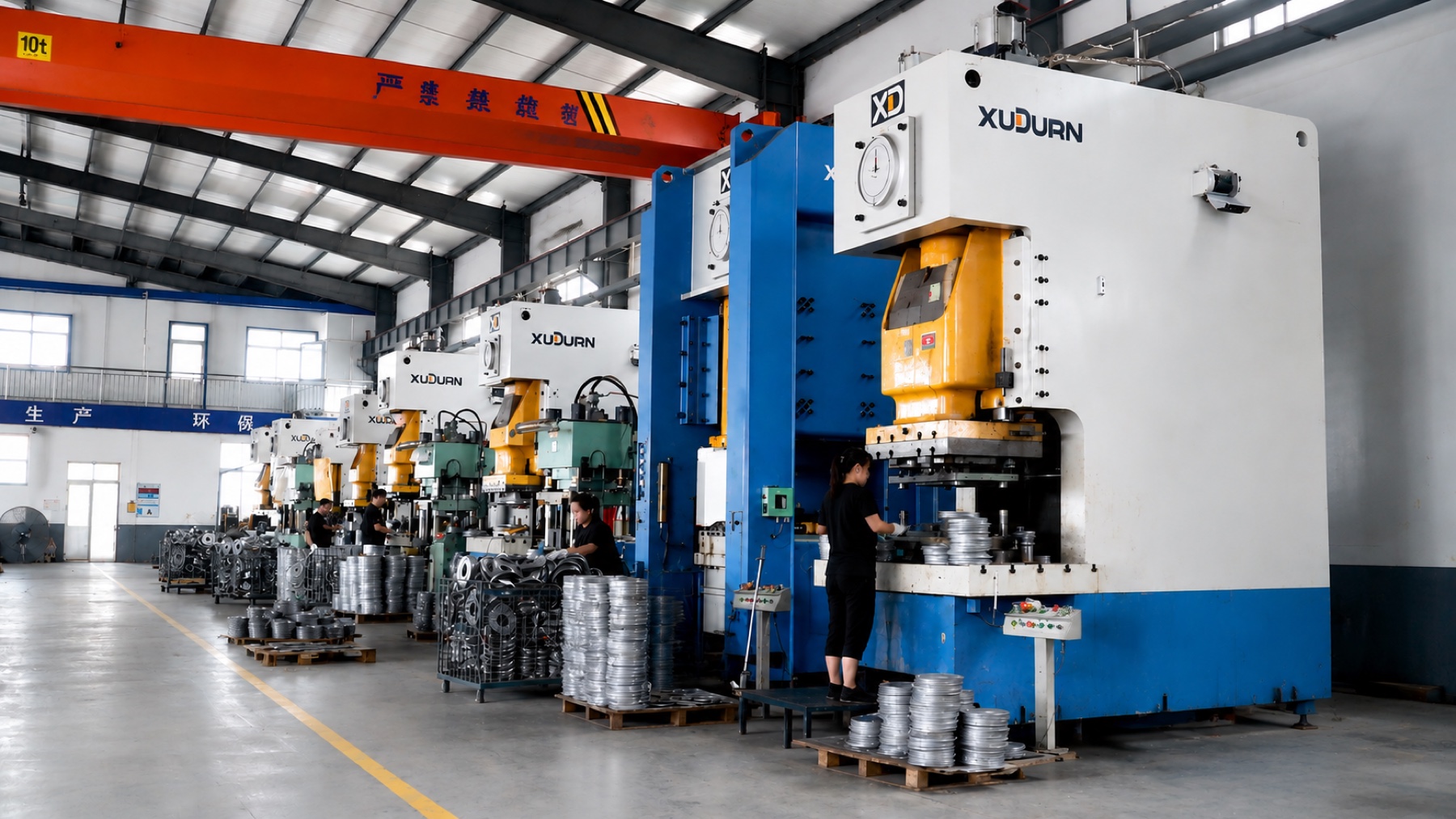
For a repeat B2B program, look for a connected manufacturing system rather than a trading description alone. Relevant capabilities can include mould development, stamping, heat treatment, machining, robotic laser welding, assembly, inspection, packaging and traceability.
Ask which processes are performed in-house, which are controlled through approved partners, and how the supplier links each process to the product reference and batch. The answer should be specific to the clutch components being quoted.
Review the CHUANGJIN manufacturing process when comparing the supplier’s process information with your program requirements.
4. Check quality evidence and certification scope
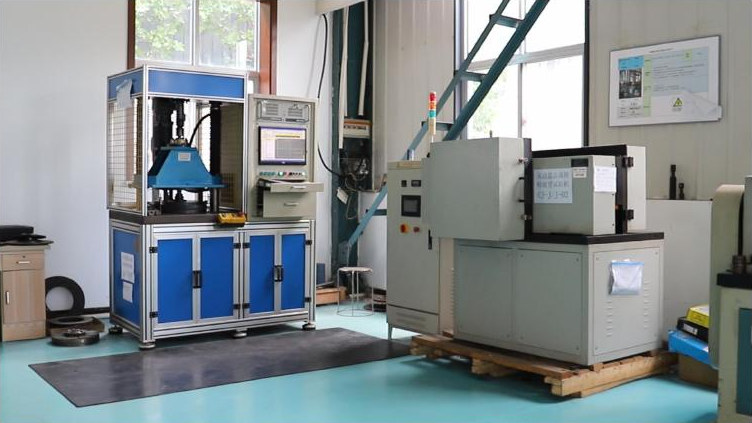
Ask for the applicable quality evidence, including inspection plans, test records, certificate scope and batch identification. If a supplier presents an IATF 16949 certificate, read the covered activities and product assemblies rather than assuming it applies to every product or service.
Useful quality topics include:
- Material and incoming inspection
- Critical dimensional inspection
- Hardness where specified
- Dynamic balance and runout where relevant
- Pressure-plate clamping force
- Release performance
- Batch traceability and claims handling
5. Decide whether the supplier can support OEM and ODM work
OEM and ODM projects need a defined development path. CHUANGJIN describes support for aftermarket product development, private-label programs and application-specific clutch customization. The starting input can be a reference, sample or drawing.
Before discussing packaging or branding, confirm the technical product:
- Reference, sample or drawing review
- Application and dimensional confirmation
- Technical quotation and product record
- Sample or pilot confirmation
- Packaging and label approval
- Production, inspection and shipment records
Ask who owns the drawing or product record, how engineering changes are approved, and how a revised part is distinguished from an earlier version.
6. Review packaging and private-label readiness
Packaging is part of the supply program. Confirm whether the supplier can support export packaging, product labels, carton markings, private-label artwork, language requirements and batch identifiers.
Provide the destination country, product quantity, packaging level, label fields and any brand guidelines before requesting a final commercial quotation. Packaging should identify the correct part and protect the clutch surfaces during transport.
7. Test communication before the first order
Technical communication is a practical supplier test. Send a realistic inquiry with the OE reference, photos, dimensions, vehicle, transmission, quantity and destination. Observe whether the supplier:
- Confirms what is known and what is still uncertain.
- Separates disc, pressure-plate and kit references.
- Requests missing measurements instead of guessing.
- Explains the proposed packaging and product record.
- Provides a clear next step for sample or quotation review.
Supplier evaluation checklist
| Area | Questions for the buyer |
|---|---|
| Product coverage | Does the supplier make the disc, pressure plate, kit or related component required? |
| Fitment | Can the team verify OE reference, dimensions, spline, hub and transmission? |
| Manufacturing | Are tooling, forming, heat treatment, machining, welding and assembly controlled? |
| Quality | Can the supplier explain inspection, testing, certification scope and traceability? |
| OEM and ODM | Can the supplier work from a sample, drawing or reference and control revisions? |
| Packaging | Can the supplier support export, private-label and batch-identification requirements? |
| Communication | Does the supplier give a clear, technically supported answer? |
Questions to include in an RFQ
Send a structured request rather than a one-line price question. Include:
- Product type and complete OE or cross-reference
- Vehicle, engine and transmission
- Diameter, spline and hub information
- Photos, drawing or sample information
- Required quantity and expected order frequency
- Destination country and shipping terms to discuss
- Packaging, label and private-label requirements
- Quality documents or sample records required
This format helps the supplier separate technical confirmation from commercial discussion. It also creates a better record for repeat orders.
Why CHUANGJIN may fit a B2B sourcing program
CHUANGJIN presents itself as a specialized manufacturer of heavy-duty commercial vehicle clutch discs, pressure plates, complete clutch kits and related clutch system components. Its public technical center emphasizes OE-reference identification, measurement and system matching. The manufacturing and quality pages describe connected production, inspection and traceability processes, while the OEM/ODM page describes development from a reference, sample or drawing.
These public records are a starting point for supplier evaluation. The final product, packaging and commercial terms should still be confirmed for the buyer’s exact application and market.
Frequently asked questions
What is the first question to ask a truck clutch supplier?
Ask how the supplier confirms the product fitment. A reliable answer should include the OE reference, dimensions, spline, hub profile, vehicle and transmission rather than a brand name alone.
What is the difference between OEM and ODM for clutch sourcing?
OEM and ODM arrangements vary by project. In general, OEM work may follow a buyer’s established product or specification, while ODM work can involve supplier-supported product development from a reference, sample or drawing. Confirm the exact engineering, branding and ownership terms for the program.
Should I ask for an IATF 16949 certificate?
Ask for the certificate when it is relevant to your sourcing requirements, then review the exact scope, validity and covered assemblies. Certification does not replace product fitment confirmation or product-specific testing.
Final checklist
Choose a heavy-duty truck clutch supplier by technical fitment, manufacturing control, quality evidence, traceability, OEM/ODM workflow, packaging readiness and communication. Start with a complete reference and application record, then validate the sample or product record before moving to repeat supply.
For aftermarket, OEM, ODM or private-label discussions, visit the CHUANGJIN OEM/ODM page or submit the application and product information through the contact page.