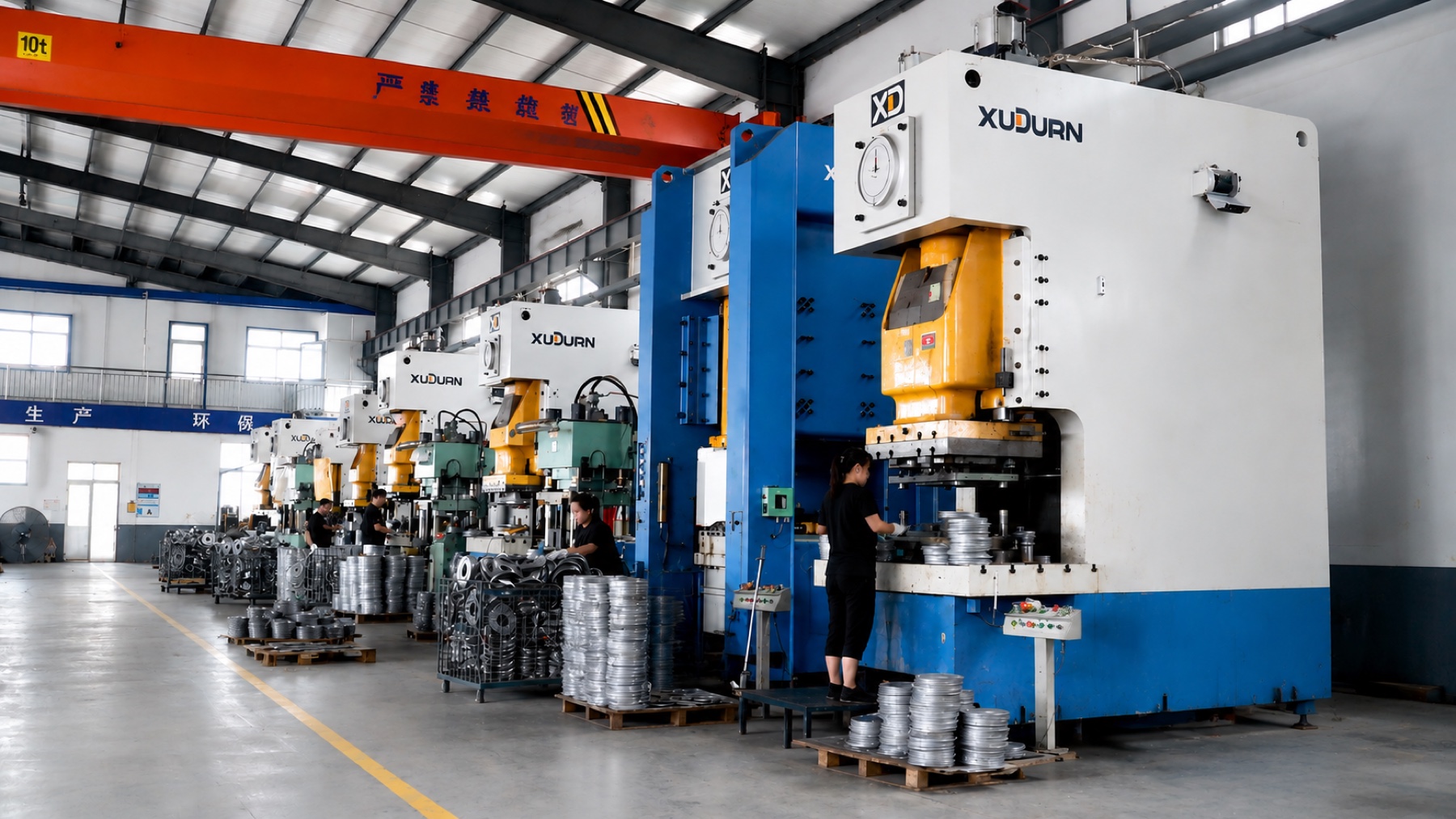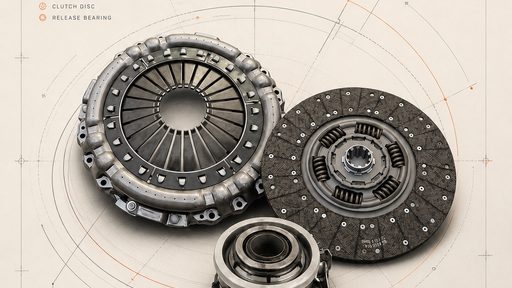


For a heavy-duty clutch buyer, quality is not only a statement on a product page. It is a connected system of incoming inspection, process checks, final testing, product identification and batch traceability.
These controls help distributors, importers, repair networks and fleet customers compare suppliers more effectively. They also give the buyer a clearer basis for repeat purchasing and after-sales discussion when a question relates to a specific clutch reference or delivery batch.
What IATF 16949 means in this context
CHUANGJIN publishes an IATF 16949:2016 automotive quality management certificate for the manufacture of clutch cover pressure plate assemblies and driven plate assemblies. The published certificate states that product design under Clause 8.3 is excluded from the certified scope, so buyers should read the scope rather than treating the certification as a blanket approval for every service or product activity.
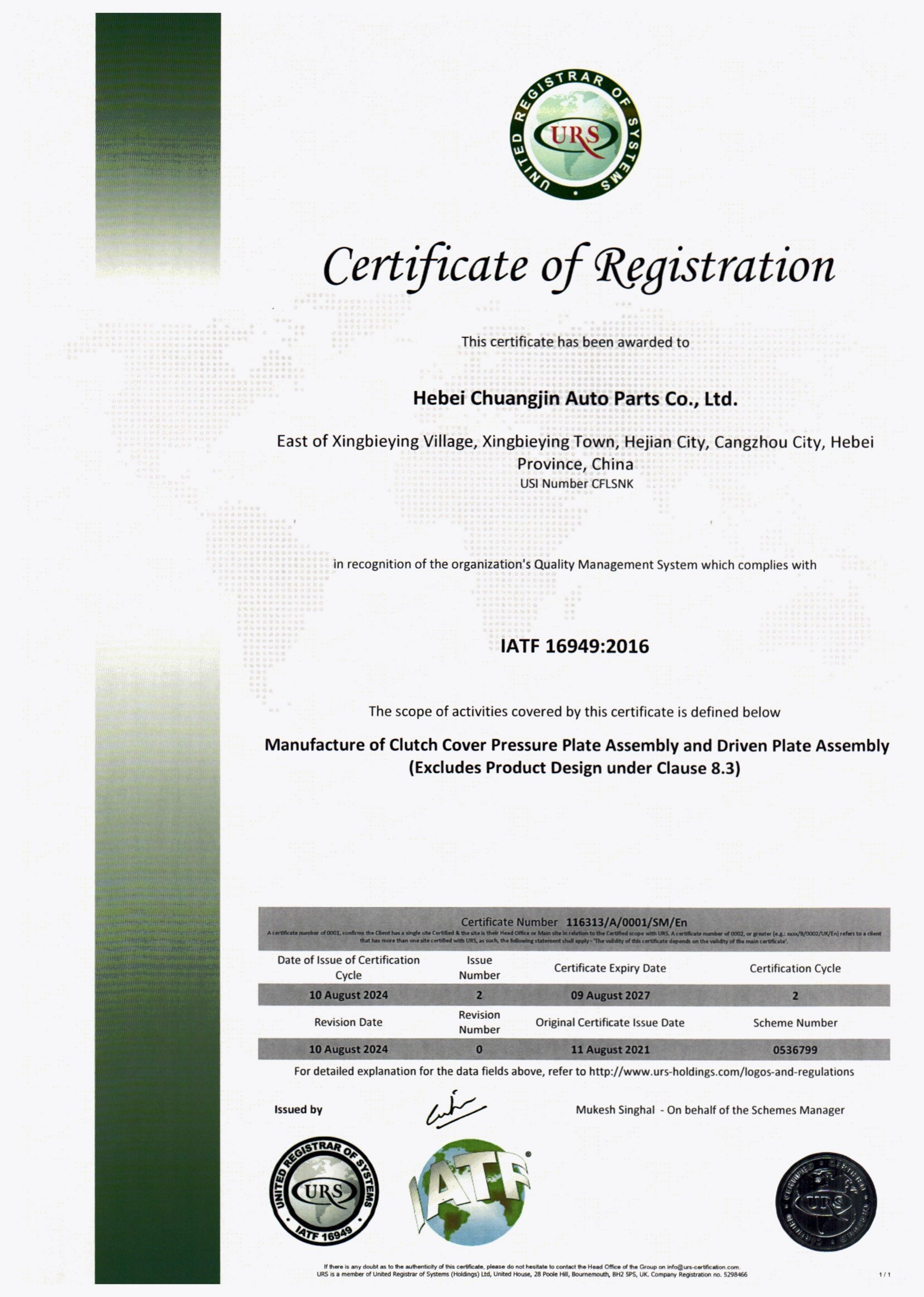
The certificate shown on the CHUANGJIN quality page is currently stated as valid through 09 August 2027. Buyers should always confirm the latest certificate and scope with the supplier when preparing a new sourcing program.
Quality control begins before production
Incoming inspection checks material identity and batch information before a component enters production. This first step helps connect the material used in a clutch component with the production record that follows.
For a B2B buyer, useful questions include:
- How is material identity recorded?
- Which incoming characteristics are checked?
- How is a material batch connected to a product batch?
- What happens when incoming material does not meet the approved requirement?
Dimensional inspection
Critical dimensions are checked against the approved product specification. For clutch discs and pressure plates, this can include the dimensions that influence application matching, mounting and operating behavior.
Ask which dimensions are controlled for the product you are buying. A general dimensional statement is less useful than a product-specific record connected to the OE reference, drawing or approved specification.
Hardness testing
Heat-treated components are checked where hardness is a specified control characteristic. Hardness results should be understood in relation to the component material, process and approved specification.
Buyers should avoid asking for one universal hardness value for every clutch part. Instead, ask which parts require hardness control and how the result is recorded for the relevant batch.
Dynamic balance and runout
Rotational assemblies can be checked to control imbalance before delivery. Disc and assembly runout checks help control installation and operating behavior.
These checks are especially relevant when the product record, application and operating conditions require them. Confirm the test method and acceptance criteria for the specific product rather than assuming every clutch uses the same test value.
Clamping force and release performance
Pressure-plate clamping performance is evaluated for the relevant product design. Release travel and disengagement behavior can also be checked where applicable.
For a pressure plate or complete clutch kit, ask how the supplier confirms that the cover and release system work as intended for the application. The answer should connect the test or inspection record with the product reference and release configuration.
Batch traceability
Product and packaging identifiers support batch-level investigation and claims handling. Traceability helps a buyer connect a delivered clutch with the production, inspection and packing information used for that order.
For importers and distributors, confirm how the batch is shown on:
- Product labels and cartons
- Inspection or test records
- Shipping and packing documents
- Repeat-order and after-sales records
A traceable record does not eliminate every product issue, but it gives the supplier and buyer a defined starting point for investigation.
Quality questions for a B2B supplier review
| Quality area | Buyer question |
|---|---|
| Certification | What is the exact certificate scope, standard, certificate number and validity date? |
| Product specification | Which drawing, OE reference or approved record defines the product? |
| Inspection | Which dimensions and characteristics are checked for this clutch? |
| Testing | Which tests apply to the disc, pressure plate or complete kit? |
| Traceability | How are product and packaging identifiers connected to the batch? |
| Claims handling | What information should the buyer provide if an issue is reported? |
What buyers should not assume
- An IATF 16949 certificate automatically confirms every product fitment.
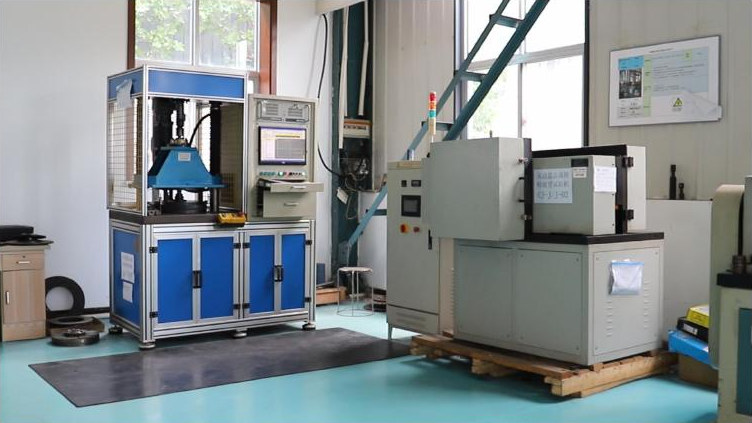
- A test-bench photograph proves that every part has the same test result.
- A quality certificate replaces the need for a product reference and application check.
- Batch traceability means the buyer can skip incoming inspection.
- A supplier’s general quality statement is the same as a product-specific inspection record.
How to use quality information in a quotation
When requesting a quotation, identify the exact clutch reference and ask for the quality information relevant to that part. State whether you need a sample report, packaging identification, private-label records or batch documentation for repeat orders.
Review the CHUANGJIN quality page alongside the manufacturing process and the product record. This gives the buyer a more complete picture than a certificate image alone.
Frequently asked questions
Does IATF 16949 confirm that a clutch fits my truck?
No. The certificate describes a quality management scope. Fitment still requires the correct OE reference, dimensions, transmission and complete clutch-system comparison.
What test records should a buyer ask for?
Ask for records relevant to the product, such as dimensional inspection, runout, dynamic balance, clamping force or release performance. The applicable checks depend on the product design and approved specification.
Why is the certificate scope important?
The scope explains which activities and product assemblies are covered. Reading the scope prevents a buyer from applying a certification claim to services or products that are not included.
Final checklist
Evaluate clutch quality through the complete evidence chain: certificate scope, product specification, incoming inspection, process checks, final testing, packaging identification and batch traceability.
For current quality evidence and a product-specific review, visit the CHUANGJIN quality center or send the reference and application details through the contact page.