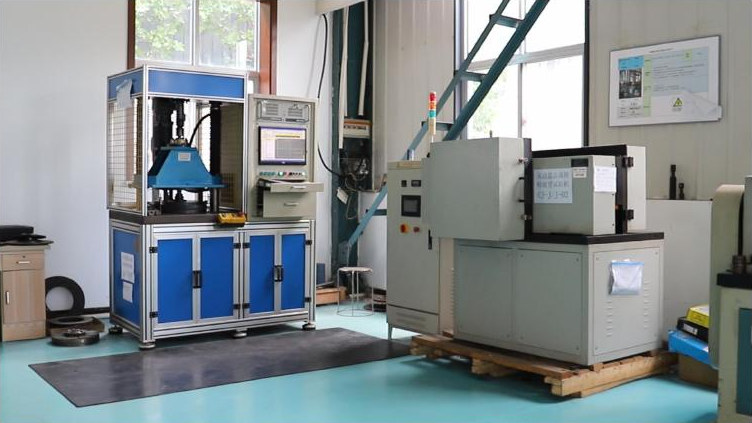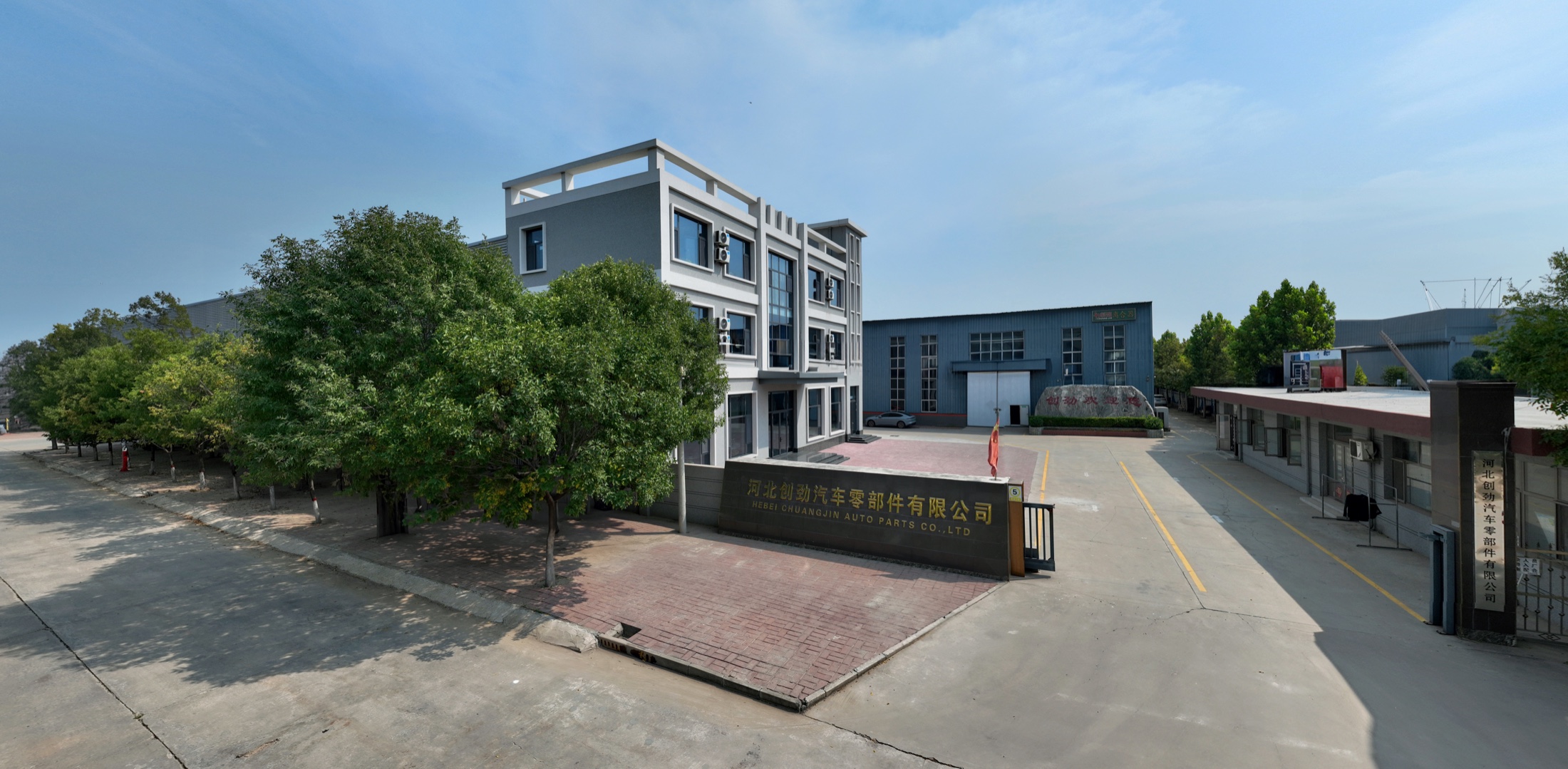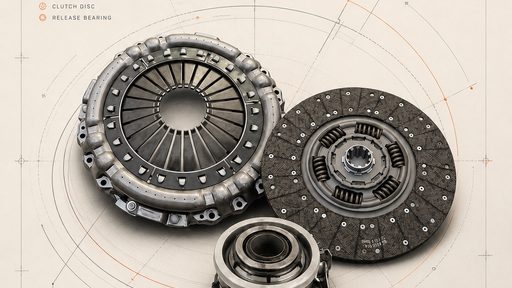


A heavy-duty truck clutch is a load-bearing automotive component produced through a connected series of forming, material, machining, joining, assembly and inspection processes. For B2B buyers, understanding the process makes it easier to evaluate a supplier’s capability, ask useful technical questions and connect product records with quality evidence.
CHUANGJIN describes its manufacturing system around mould development, stamping, heat treatment, machining, robotic laser welding, assembly, clutch testing, packaging and batch traceability. Each stage has a different role in controlling the finished clutch.
1. Mould development and maintenance
Clutch production begins with tooling. Mould development and maintenance support stable geometry for clutch covers and related formed components. Tool condition can influence repeatability in the shapes, mounting locations and profiles produced during stamping.
For a buyer, the important question is not simply whether a factory owns moulds. Ask how tooling is linked to the product reference, how changes are controlled, and how the supplier keeps the approved geometry consistent across repeat production.
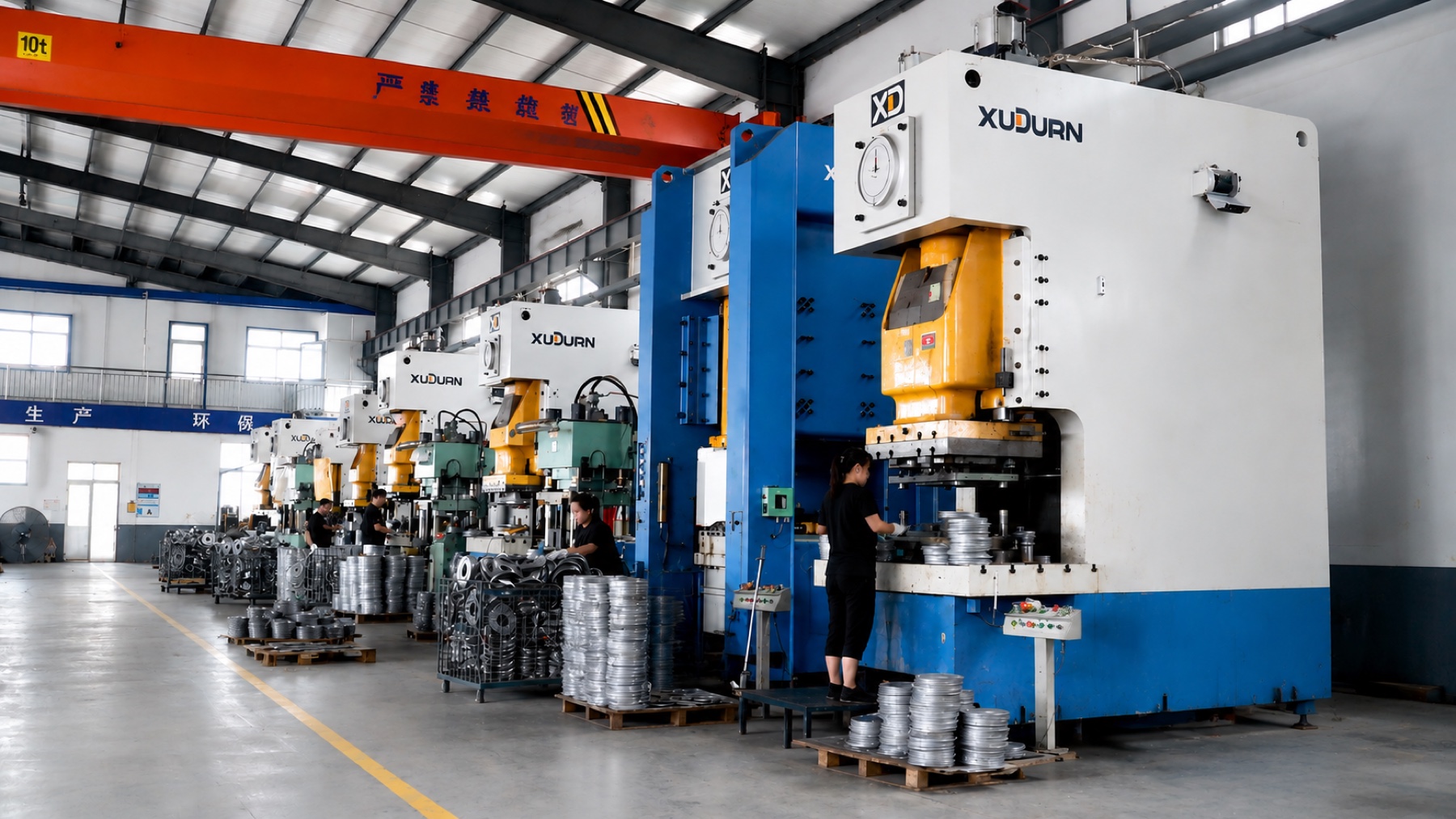
2. Stamping and forming
Controlled forming processes produce clutch-cover and disc components before later machining and heat-treatment stages. Stamping establishes the basic component geometry, including formed sections, mounting features and structural surfaces.
Stable forming matters because later processes depend on the shape of the incoming component. A buyer reviewing a supplier should ask whether the part has a defined drawing or product record, whether critical dimensions are inspected, and how production batches are identified.
3. Heat treatment
Heat treatment is applied where specified to achieve the required component hardness and mechanical behavior. The correct treatment depends on the component, material and approved product specification.
Heat treatment should not be described as a generic promise that every clutch part has the same hardness. Ask which components require heat treatment, which characteristics are controlled, and how the result is recorded for the product or batch.
4. Machining
Machining controls application-specific dimensions, mounting interfaces and running surfaces. It can be used to bring formed or heat-treated components to the dimensions required by the clutch design.
For a clutch disc or pressure plate, machining and dimensional inspection support the fit of the hub, mounting interface and operating surfaces. Buyers should connect the product drawing, dimensional record and inspection plan when reviewing a technical quotation.
5. Robotic laser welding
Robotic laser welding joins clutch-disc components with a narrow, controlled weld zone. A controlled joining process helps maintain repeatability in the disc structure and provides a defined production step for inspection and traceability.
When discussing a clutch disc program, ask how the welding process is controlled, which areas are inspected, and how a welding or assembly concern would be traced back to a production batch.
6. Assembly
Assembly brings together friction facings, hubs, damper systems, covers and pressure components according to the product specification. This is where individual parts become the clutch disc, pressure plate or complete clutch configuration supplied to the customer.
Assembly control is especially important for complete clutch kits. The disc, pressure plate and release system must be connected to the same application record rather than selected as unrelated parts with similar dimensions.
7. Clutch testing
Relevant checks can include dimensions, runout, dynamic balance, clamping force and release performance. The exact test set depends on the product design and the approved specification.
Ask a supplier which checks are relevant to the product you are buying, what information is recorded, and how nonconforming results are handled. A test list should be connected to the product reference and not presented as a general claim for every part.
8. Packaging and batch traceability
Product identification, batch records and export packaging support delivery and after-sales follow-up. A clear part label helps the buyer connect the physical box with the quotation, product record, inspection information and repeat order.
For distributors and importers, packaging should also reflect the destination market and private-label requirements. Confirm the label fields, quantity per carton, protection for the clutch surfaces and the information retained for batch-level questions.
Process overview for B2B buyers
| Stage | Primary purpose | Buyer question |
|---|---|---|
| Mould development | Support repeatable component geometry. | How is tooling linked to the product reference? |
| Stamping | Form clutch-cover and disc components. | Which critical dimensions are inspected? |
| Heat treatment | Control specified material behavior. | Which characteristics are recorded? |
| Machining | Control application-specific interfaces and surfaces. | Can the supplier provide dimensional records? |
| Laser welding | Join disc components with controlled process conditions. | How is the joining process inspected and traced? |
| Assembly and testing | Build and verify the finished clutch. | Which product-specific tests apply? |
| Packaging and traceability | Identify, protect and follow the product after shipment. | What batch and packaging records are retained? |
Why process transparency matters
A product photograph shows the finished appearance, but it does not show how the component was formed, joined, inspected or traced. For a B2B buyer, process information helps explain how a supplier can support repeat orders, private-label packaging, technical review and after-sales communication.
Review the CHUANGJIN manufacturing page together with the product reference and quality information. Ask for the evidence that is relevant to the part and application being quoted.
Frequently asked questions
Which manufacturing stage controls clutch quality the most?
Clutch performance depends on the connected process, not one isolated stage. Geometry, material behavior, machining, joining, assembly and final testing all contribute to the finished product.
Does robotic welding mean every clutch has the same process?
No. The applicable process depends on the product design and specification. Ask the supplier which welding and inspection controls apply to the specific clutch reference.
Why is batch traceability important for importers?
Traceability connects a shipped product with its batch, packaging and inspection information. It supports repeat purchasing, investigation and after-sales discussion when a buyer needs to review a specific delivery.
Final checklist
When evaluating a heavy-duty truck clutch manufacturer, look beyond the product photograph. Review tooling, stamping, heat treatment, machining, welding, assembly, testing, packaging and batch traceability as one connected manufacturing system.
For manufacturing capability or product sourcing questions, visit the CHUANGJIN manufacturing page or send your application and reference through the contact page.