

For distributors, importers, repair networks and commercial-vehicle fleets, an OE number is often the fastest way to start identifying a replacement clutch. It is also one of the easiest ways to order the wrong part if the number is copied incorrectly or treated as a complete fitment guarantee.
A reliable heavy-duty truck clutch match combines the reference number with the physical clutch profile and the vehicle configuration. This buyer’s checklist explains how to use an OE number for a clutch disc, pressure plate or complete clutch kit, what information to verify, and what to send to a supplier before requesting a quotation.
Why an OE number is the best starting point
An OE or manufacturer reference gives a buyer a more precise starting point than a general description such as “430 mm truck clutch” or a vehicle brand alone. The number may identify a clutch disc, a pressure plate, a release component or a complete kit, depending on the catalogue system behind it.
Reference numbers can appear on a stamped plate, a product label, an original box, a parts invoice or a previous supplier’s cross-reference sheet. They may include spaces, dots or hyphens. These marks are useful when comparing photographs and documents, even when an online search system removes them during the search.
The important rule is simple: use the OE number to find the right reference family, then confirm the physical and application details before treating the part as interchangeable.
Step 1: Record every visible reference
Begin with clear photos of both sides of the clutch component. Photograph the complete part before removing labels or cleaning away markings. Then record every visible identifier, including numbers that may not be the primary OE reference.
- Primary OE or manufacturer reference
- Aftermarket cross-reference or superseded number
- Vehicle, engine and transmission information
- Supplier, casting, batch or production marking
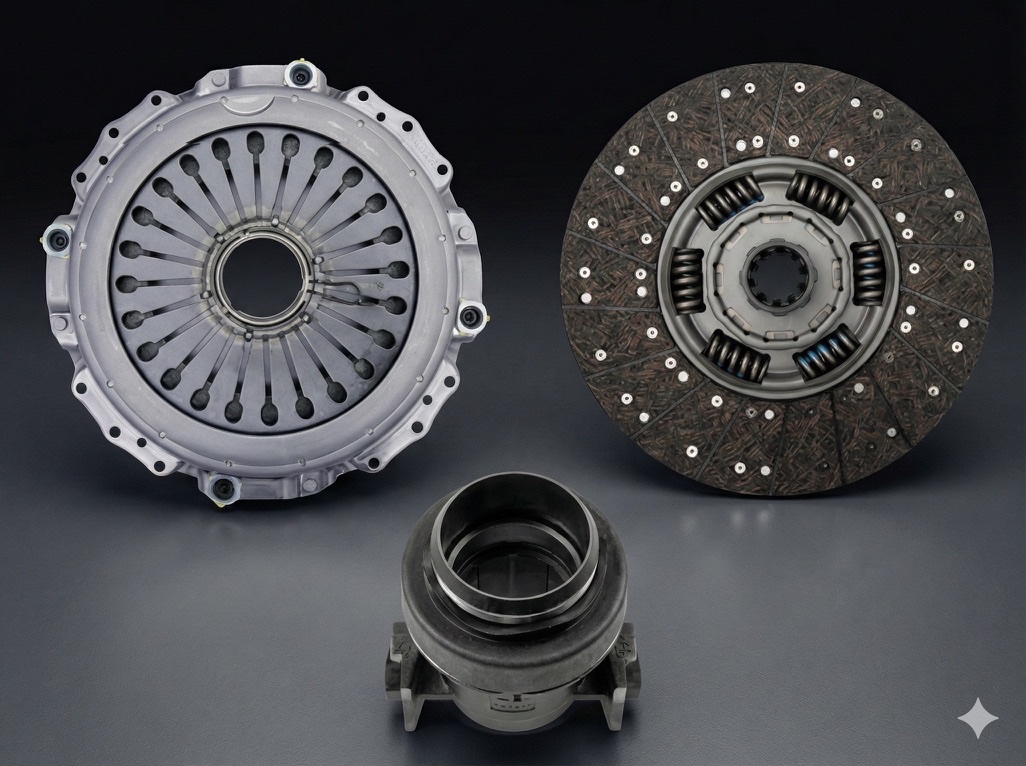
- Part type: clutch disc, pressure plate, release bearing or complete kit
Keep the original spacing and punctuation in your notes. For example, 1878 634 027, 1878-634-027 and 1878634027 may represent the same reference in different documents, but preserving the original format makes it easier for a technical team to compare your information with the part and the source record.
Step 2: Confirm what the number identifies
Do not assume that every number found near the clutch identifies the same component. A clutch disc reference and a pressure plate reference can belong to the same vehicle application while describing two different parts. A complete clutch kit may also contain several individual references.
Before comparing prices or requesting a replacement, identify the product type:
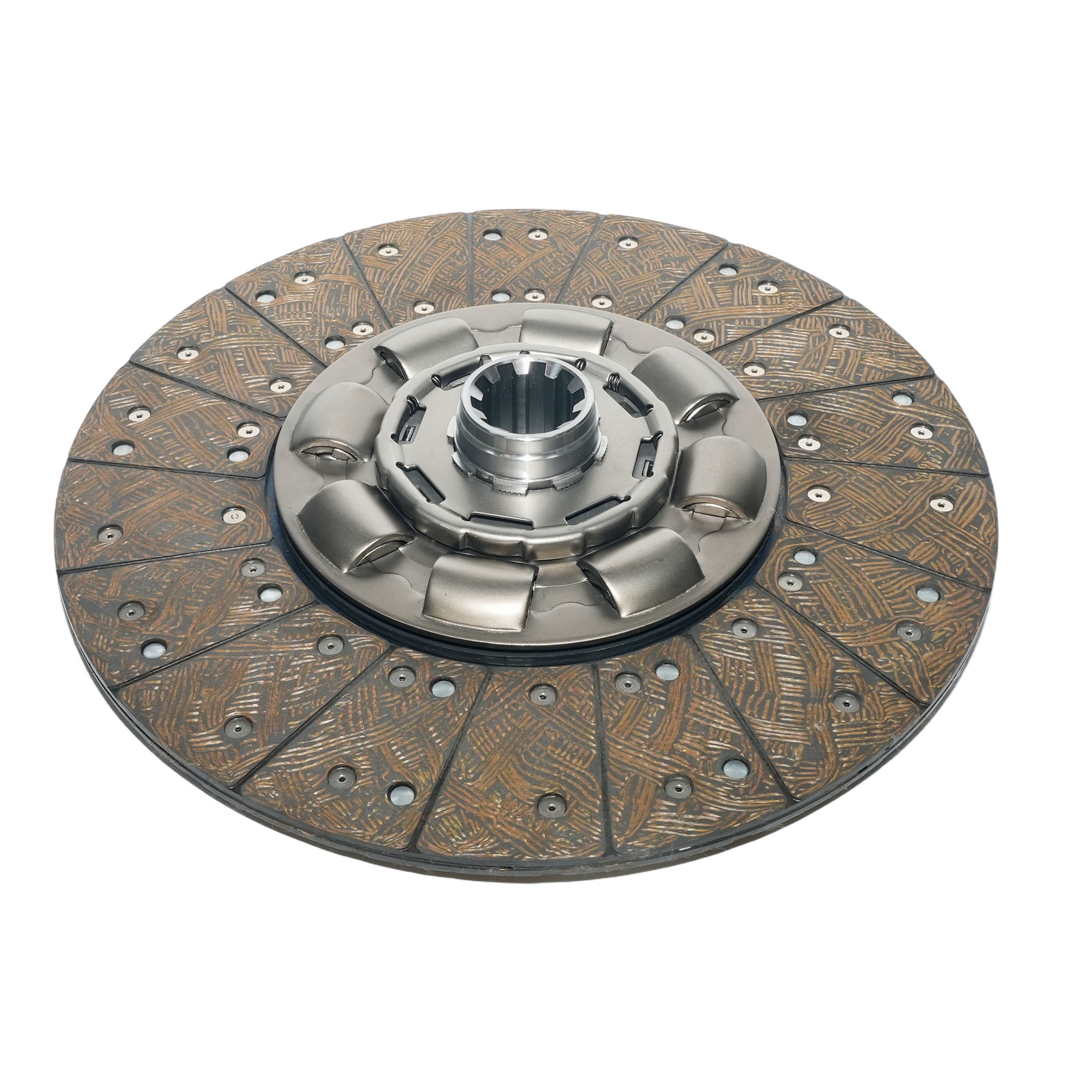
- Clutch disc: the driven plate with friction linings, hub and damper assembly.
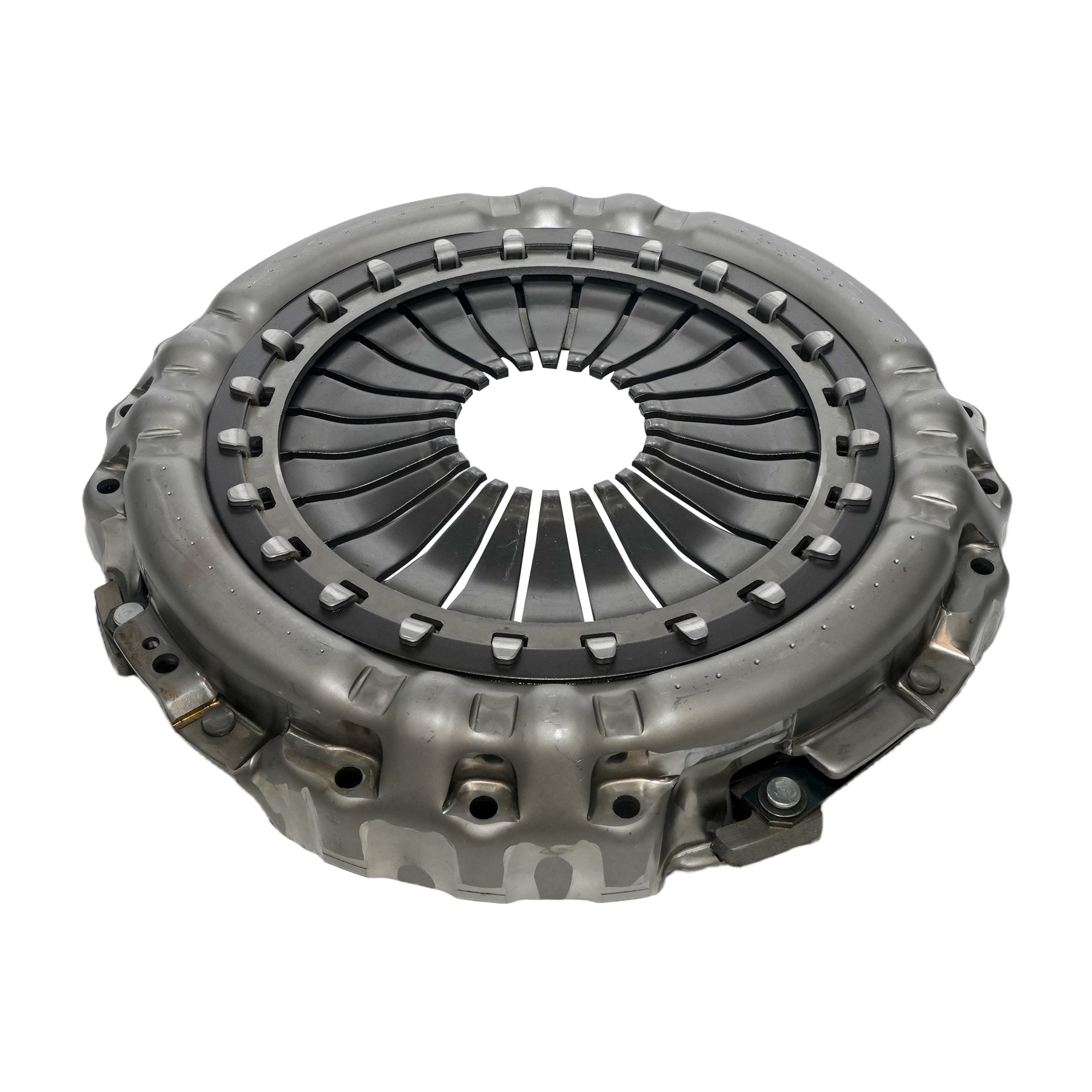
- Pressure plate: the clutch cover and diaphragm or release mechanism that clamps the disc.
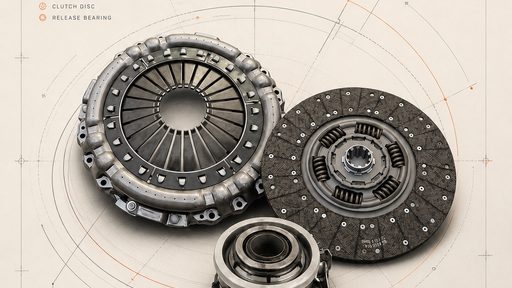
- Complete clutch kit: a matched configuration that may include the disc, pressure plate and release system components.
This distinction matters for both fitment and quotation. A supplier needs to know whether you need one component, a replacement set or a complete system-matched kit.
Step 3: Search the exact OE reference
Use the complete number first. CHUANGJIN’s OE Search and product catalogue are designed to start with an OE number, vehicle brand, clutch diameter or product type.
When the exact format does not return a record, try a normalized version without spaces or punctuation. Then compare the result with the component in hand. A catalogue record should be treated as a technical reference, not as permission to skip the physical check.
For a useful search result, review at least these fields:
- Reference number and any listed cross-reference
- Component type
- Clutch diameter or platform size
- Vehicle or application family
- Available spline, hub and dimensional information
If the number is not found, send the reference to the supplier together with front and back photos. A missing online record does not automatically mean that the part cannot be sourced. It means the application needs a manual comparison.
Step 4: Verify the physical clutch profile
Two clutch parts can share a vehicle family and still differ in a way that prevents installation. Before confirming a replacement, compare the physical profile of the old part with the product record or technical drawing.
Dimensions to check
- Outside diameter and friction-surface diameter
- Spline count and spline outside diameter
- Hub height, hub offset and spline length
- Damper spring arrangement and hub profile
- Pressure-plate mounting pattern and installation height
- Push-type or pull-type release configuration
Diameter alone is not enough. A 430 mm clutch disc can still have a different spline, hub offset or damper arrangement from another 430 mm disc. The same caution applies to pressure plates: a similar outside diameter does not confirm the bolt pattern, release height or operating system.
Step 5: Confirm the vehicle and transmission configuration
Vehicle brand and model are helpful, but they do not always describe one single clutch specification. Commercial vehicles may use different engines, transmissions, production periods or market configurations under a similar model name.
Include the following application details in the matching request:
- Vehicle brand and model
- Engine model, when available
- Transmission model or transmission reference
- Vehicle year or production range, when known
- Operating use, such as long-haul, construction, mining or bus service
- Destination market and required quantity
This information gives the technical team the context needed to compare the reference, the physical part and the intended application. It is more reliable than selecting a clutch from a brand name or diameter alone.
Example: using reference 1878 634 027
CHUANGJIN lists 1878 634 027 as a 430 mm clutch disc reference for Mercedes-Benz. This is a useful example of a reference-led product record: the OE-style number narrows the search, the component type identifies the part, and the diameter and application family provide additional checks.
It should not be read as a universal fitment statement for every Mercedes-Benz commercial vehicle. A buyer should still compare the spline, hub profile, transmission and vehicle configuration before confirming an order. When the old part or its packaging is available, clear photographs and measured dimensions make the final comparison more dependable.
What to include in a B2B clutch inquiry
Put the complete matching information in one message. This reduces back-and-forth and helps a supplier prepare a more accurate quotation.
| Information | Why it matters |
|---|---|
| OE or part reference | Identifies the starting reference and possible cross-reference family. |
| Front and back photos | Shows markings, hub profile, damper layout and the complete component. |
| Diameter and spline details | Helps eliminate similar parts with different dimensions. |
| Vehicle and transmission | Provides application context for final technical confirmation. |
| Quantity and destination | Allows the supplier to discuss quotation, packaging and delivery requirements. |
Common OE-number identification mistakes
- Searching only by vehicle brand: one brand can use several clutch configurations.
- Using diameter as the only filter: diameter does not identify spline, hub or release geometry.
- Assuming a cross-reference is automatically interchangeable: verify the actual physical profile.
- Sending one incomplete photo: include both sides, labels and the complete assembly where possible.
- Mixing disc and pressure-plate references: identify the component type before comparing records.
- Requesting a quote without quantity or destination: these details affect the commercial response and export packaging discussion.
Frequently asked questions
Can I identify a truck clutch from the OE number alone?
An OE number is the best starting point, but final fitment should also be checked against the physical clutch and the vehicle or transmission configuration. The number may be incomplete, superseded or copied from a different component.
What if the number is not in the online catalogue?
Send the number, clear front and back photos, dimensions and application details to the supplier. A technical team can compare the part manually and advise whether more information is needed.
Do spaces and hyphens in an OE number matter?
Search systems may normalize spaces and hyphens, but keep the original format in your photos and inquiry. It helps the supplier compare the marking with product documents and cross-reference records.
What is the fastest way to request a product match?
Send the OE number or a product photo together with the vehicle, transmission, diameter, spline information, required quantity and destination country. CHUANGJIN provides a technical OE-number matching guide and accepts product photos for review.
Final checklist
Before placing an order, confirm that you have recorded the complete OE reference, identified the component type, checked diameter and spline details, compared the hub and release profile, and provided the vehicle and transmission information. This process gives a B2B buyer a much stronger basis for quotation and reduces the risk of receiving a visually similar but incompatible heavy-duty truck clutch.
For a product match or quotation, visit the CHUANGJIN contact page and send the reference, photos, dimensions, quantity and destination market.
Image source: CHUANGJIN product record for 3482 001 169. Vehicle and brand names are used for identification and compatibility reference only.